Deen Dayal Aushadhi Udyan, Mathura
A Unit of DEEN DAYAL KAMDHENU GOUSHALA SAMITI, DEEN DAYAL DHAM, FARAH, MATHURA, UP54, UP, 281122
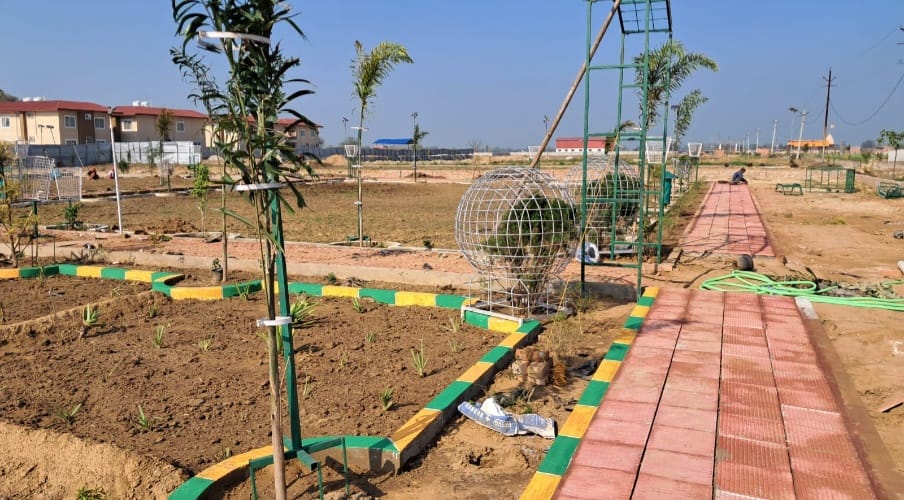
In collaboration with Deen Dayal Aushadhi Udyan, Mathura, BL Herbs India proudly provides detailed QR-coded information for various medicinal plants within the campus. This initiative aims to enhance practical learning and promote the awareness of Ayurvedic knowledge among students and visitors.
Plants Successfully Cataloged with QR Codes
BL Herbs India has successfully completed QR code tagging for Ayurvedic plants. Scanning these codes gives instant access to plant details, supporting education and awareness of Ayurvedic knowledge.
Benifits
- Instant Access – Scan to view complete plant information anytime.
- Educational Aid – Helps students learn plant names, uses, and properties easily.
- Eco-Friendly – Reduces the need for printed material or labels.
- Accurate Information – Provides verified and consistent plant data.
- Supports Ayurveda – Promotes the medicinal value of plants for study and practice.
Name of the Flowering Plants
| 1 | Velvetleaf | 2 | Yelow Alamanda |
| 3 | Golden Allamanda | 4 | Twining Snapdragon |
| 5 | Harit Champa | 6 | Bougainvillea |
| 7 | Sadabahar | 8 | Spider Plant |
| 9 | Pink Ball Tree | 10 | Water hyacinths |
| 11 | Gardenia | 12 | Heliconia |
| 13 | Crown Daisy | 14 | Firebush |
| 15 | Red Leaf Hibiscus | 16 | Red Sorrel |
| 17 | Coast cottonwood | 18 | Chinese ixora |
| 19 | Red Sawani | 20 | White sawani |
| 21 | White Champaka | 22 | Swiss Cheese Plant |
| 23 | Mussaenda Pink | 24 | White mussaenda |
| 25 | White Oleander | 26 | White rose kaner |
| 27 | Rakhi Phool | 28 | Allamanda creeper |
| 29 | Pink Pentas | 30 | Golden Deurenta |
| 31 | Malabar Bauhinia | 32 | 9 O' clock Plant |
| 33 | Flaming Trumpet | 34 | Gulab |
| 35 | East Indian Rose Bay | 36 | Cape Honeysuckle |
| 37 | Thumbergia White | 38 | Blue Trumpet Vin |
Name of the Fruiting Plants
| 1 | Kiwi Friut | 2 | Aatupya |
| 3 | Bignay Fruit | 4 | Kafai Motti Fruit |
| 5 | Lotkan Fruit | 6 | Rubus Subg |
| 7 | Mousami | 8 | Mosambi |
| 9 | Chakotra | 10 | Rainforest Plum |
| 11 | Parushaka | 12 | Balam kheera |
| 13 | Lichi | 14 | Rose Apple |
| 15 | Chiku | 16 | Rumduol Fruit |
| 17 | Brazilian cherry | 18 | White Shahtoot |
| 19 | Green Shahtoot | 20 | Bananas |
| 21 | Passion fruit | 22 | Avocado |
| 23 | Pista | 24 | Jaboticaba |
| 25 | Cherries | 26 | Aloo Bukhara |
| 27 | Verigated Guava | 28 | Chinees Guava |
| 29 | Indian Guava | 30 | Variegated Guava |
| 31 | Chinese Guava | 32 | Black Guava |
| 33 | Purple Forest Guava | 34 | Miracle Fruit |
Name of the Masale Plants
| 1 | Kapur tulsi | 2 | Ajwain |
| 3 | Clove | 4 | Green Cardamom |
| 5 | Holy Basil / Sacred Basil | 6 | Camphor |
| 7 | Tejpatra | 8 | Cinnamon |
| 9 | Black peeper | 10 | Longa Pepper |
Name of the Medicinal Plants
Natural Healing at Your Doorstep
An Ayurvedic garden provides a natural remedy source for many common ailments. Whether it’s stress, digestive issues, or inflammation, having access to Ayurvedic herbs like Tulsi
Sustainable Wellness for You and the Planet
Growing your own Ayurvedic garden supports a more sustainable lifestyle. Not only are you cultivating plants that improve your health, but you’re also contributing to the health of the environment.
Mental Clarity and Emotional Balance
An Ayurvedic garden serves as a peaceful retreat, providing a space for relaxation, mindfulness, and connection with nature.
Ayurvedic Garden
Why an Ayurvedic Garden is Best for You?
Contact Us
To Set up an Ayurvedic Garden
Scan. Learn. Grow. Contact us for Ayurvedic plant resources.